The Future Gazette
November 2026 Newsletter
I Believe In Your Positivity...
Click Here for more reviews...

...Find your better future.
Do you want help dealing with ...




• Individual results may vary based on personal circumstances, engagement with the process, and commitment to the therapeutic work.
I am committed to supporting my clients as they work to overcome everyday emotional challenges and build greater resilience.
****
It would be a privilege to hear from you.
I am available Monday - Thursday
10am - 8pm
Friday 10am - 4pm
And most Saturdays
*****
There Is No Charge From Me For A Discovery Call
*****
Thank you for taking the time to visit my website. Reaching out for support can take real courage, especially when life feels difficult.I would like to support you, to find your better future.So please call me, email or message us.

Time to relax... Time to Change
LIS SAID:
Peter helped me deal with my GAD, agoraphobia, and a lifelong fear of flying ..I can’t thank Peter enough for what he’s done for me. He’s friendly, knowledgeable, and genuinely cares about helping people. I came to him struggling with generalised anxiety disorder, agoraphobia, and a long-standing fear of flying that had caused me to miss out on so much in life.Through his sessions, along with the personalised audios he gave me to use whenever I needed, I’ve been able to make changes I never thought were possible. This year, I actually got on a plane.. something I’d avoided for years and felt calm and in control.The difference in my everyday life has been huge. My anxiety is more manageable, I feel braver in situations that used to overwhelm me.If you’re even thinking about hypnotherapy, do it. I wish I’d found Peter sooner.Aug 2025
AMANDA SAID:
Peter made me feel at ease right from the start. He gave me a good insight as to why we can suffer with anxiety, and how the brain works. He was able to give me different strategies of how to cope, and focus on more positive things. This combined with trance in our sessions and using the trance download that he provided me, has made me feel so much better and more in control when I am feeling anxious, now. I would definitely recommend him as a therapist. Thank you PeterNov 2025

JENAN SAID:
Peter's hypnotherapy sessions have helped me greatly to mitigate the grief at the loss of my mum, brother and dad since 2021.I listened to the short hypnotherapy links regularly and in his sessions. I began to notice that it was reducing my sense of anxiety and unexpectantly increasing random moments in the day of warm good feelings. I became aware it was having a positive impact on my every day life whilst reducing my darker outlook and heavier emotions.Another noticeable impact was an improvement in sleep which also improved my alertness in my waking hours. As an early morning insomniac, his hypnotherapy link would relax and calm my squirrelling thoughts and send me back to slumber.Weekly sessions giving consideration to what I thought I could do to improve my well being also focussed me into being more productive. I found myself working more on my creative goals and pursuits and decluttering my space which has made me feel less overwhelmed and increased a sense of meaning and purpose in my life.
Nov 2025

Come out of that corner and throw away the blues...
Low Mood
Solution-focused hypnotherapy is a specific approach that emphasises identifying and building on strengths and resources. It focuses on future-oriented goals and helps clients develop strategies to overcome challenges. Including
Low mood.CONTACT ME HERE

Refresh your brain to find a new way to deal with these issues.
Fear...
...can significantly impact a person's quality of life, causing intense anxiety and avoidance behaviours. While various treatments exist, hypnotherapy has emerged as an effective approach for addressing these irrational fears. Hypnotherapy helps individuals reframe their responses to fear triggers and develop new, positive associations.CONTACT ME HERE
READ THE RESEARCHHypnotherapy for Fear: Mechanisms, Clinical Applications, and Comparative Effectiveness

SFH -Solution Focused Hypnotherapy in a nutshell?
*****
It’s a forward-thinking approach that blends traditional hypnosis with practical, results-driven solution focused therapy.****This method zeroes in on what you want to achieve right now, and supporting you to find your solution, to get there.****Here’s how it works:
As the therapist I would aim to direct your mind in a positive direction, before guiding you into a relaxed, focused state.****
It’s not stage hypnosis or anything dramatic, just a purposeful calm, where your mind’s more receptive to new ideas.****
You are in complete control during this time. You’ll visualise your goals, and with some support, identify the resources and strengths you already have to overcome current challenges.****
It’s less about fixing what’s “broken” and more about building on what already works.*****I also take a look at the latest neuroscience, and present a simple but logical explanation with what’s going on in the brain.****
Many businesses and professionals have used this approach to manage workplace stress and anxiety, as well as to enhance performance, sharpen focus, and boost productivity.****
Sports people use it to enhance their performance.****
Anyone could benefit from this type of therapy. Including sufferers of anxiety, low mood, grief, fears, intrusive thoughts, OCD, PTSD, and more.****
The priority is always practical progress and tangible outcomes. No endless analysis required. In short: it’s a streamlined, solution-driven tool for anyone wanting to move forward efficiently and confidently.****
It also has a very good track record helping people to stop smoking or vaping (smoking cessation).
Get in touch!**

Peter Irvine
Hypnotherapist
DSFH HPD AfSFH(reg) MNCH(reg) CNHC(reg)
I spent over 30 years as a carer.
I am experienced in dealing with
General anxiety disorders
Low Mood
Pain management
Sleep disorders
GriefThis has given me an understanding and empathy for many of life's challenges.
Studied at CPHT
Bristol
Recognised as the Gold Standard

Enhanced DBS Checked.A member of the NCH (National Council for Hypnotherapy)
and the AfSFH
(Association for Solution Focused Hypnotherapy)
and the CNHC (Complementary & Natural Healthcare Council)and accredited by the professional standards authority™Fully insured

FAQQ. How many sessions do you recommend?
A. This varies and will be the final decision of the client. But we often recommend between 10 & 12 but sometimes more, sometimes lessQ. Am I committed to this amount of sessions?
A. No. If you feel you don’t want to go on, at any point. Then just let me know. You only pay for the sessions you have, unless you have agreed and paid for more in advance. But take a look at my T’s & C’s.for the details.Q. Is the cost the same, whether in person or online?
A. No - The cost of room hire means that it will be £10ph cheaper for online sessions. The outcome of therapy is no way affected by the cheaper cost.Q. What online services do you use for video sessions?
A. WhatsApp, Google Meet. Zoom. I am willing to try and link to any other secure platforms, that you may have. We can discuss this.Q. What is the cost?
A. Click here to open the pricing page.Q. Do I have to pay in advance?
A. Yes. Full payment is required at least 48 hours prior to a session. It can be cancelled or rescheduled no later than 24 hours before the session. Click here for a copy of my T’s&C’sQ. How secure is my personal data?
A Please click here for a copy of my GDPR statement.If you want to ask any more questions. Then please call, email or message me. I will respond as soon as I can. Click here for contact details.
Cost per session
A therapeutic hour is 50 minutes

Initial discovery call is - FREE
Initial consultation - 50 mins - Online £5 or in person £20
Standard Session In Person -50 mins - £70
Standard Session Online -50 mins - £60
Smoking Cessation - £250 (one 2hr session)

All sessions can be in person or online. We can discuss this on our call.
The online sessions are just as effective as being in person.
Contact - 0757 8105 640
Please call or message me.
If you message me I will get back to you within 24 hrs - probably sooner.
The ArchesTherapy Rooms
198 Cheltenham Road
Montpelier, Bristol
BS6 5QZ
Future View Solution Focused Hypnotherapy
Terms and Conditions

By booking a session with Future View, you agree to the following terms and conditions:
1. Booking.
• Full payment must be made no later than 48 hours prior to your scheduled session.
• A consent form must be signed before the first session can take place.
• Confirmation of your reservation will be sent to you by email once the payment has been made and a consent form has been signed.2. Cancellation and Rescheduling.
• Cancellations made with less than 24 hours’ notice will not be eligible for a refund.
• Any exceptions are at the discretion of the therapist.
• Missed appointments or no-shows are non-refundable.3. Client Responsibilities in person.
• To support your progress and make the most of our sessions, I ask that you:
• Arrive on time.
• Please note that sessions will end at their scheduled time, even if you arrive late. This policy ensures fairness and respect for all clients' appointments.
• Your commitment to these guidelines helps create the optimal conditions for meaningful therapeutic work.4. For working online:This section of the contract details the terms and conditions of our online working relationship. If you would like to discuss any aspect of the contract please do not hesitate to call or email me.What constitutes working online?
Working online constitutes all means of remote communication with a client using digital methods or information technology regardless of whether the equipment used is a laptop, desktop, tablet, smart phone or any other device.Insurance
I am fully insured to work online with clients. If working with clients in countries outside of the UK I recognise that it is my responsibility to ensure adequate insurance coverage for the country in which the client is based. The terms and conditions within this contract are subject to English and Welsh Law, with the exclusive jurisdiction of the Courts of the United Kingdom.Online safety (therapist):
In order to conduct work online as safely and securely as possible I will ensure that:
• Reasonable steps are taken to ensure the suitability of the client for online therapy
• There is no physical intrusion or distraction during the session
• Our session cannot be overheard
• Our session is not left open in a browser or remain in the device ‘history’
• Electronic intrusion is prevented as far as possible using adequate firewalls and virus protection
• The security of communications platforms used is checked
• The terms and conditions of potential providers is checked to ensure that they meet the standards for healthcare and working with sensitive information.
• I remain up-to-date with current and new developments regarding the security of online communication platforms.
• I receive fully informed written consent from a client before undertaking online therapy
• We have an agreed procedure in the event of an emergency (see below)
• We have an agreed procedure in the event of a technological breakdown (see below)
• Under no circumstances should the session be recorded as this constitutes a breach of security and privacyOnline safety (client):
In order to receive therapy online as safely and securely as possible the client should agree to ensure that:
• The environment is suitable for the conduct of an online therapy session
• There is no physical intrusion or distraction during the session (a mobile phone should be present but remain on silent)
• The session cannot be overheard (unless client is under 18 – see below)
• The session is not left open in a browser or remain in the device ‘history’
• Electronic intrusion is prevented as far as possible using adequate firewalls and virus protection
• The security of communications platforms used is checked
• Fully informed written consent is given for online therapy
• An appropriate other (friend, family member or health practitioner) has been advised of the date, time and place of the therapy session
• Provision has been made in the event of an emergency or abreaction
• There is an appropriate other present if the client is under 18
• Agree to leave the camera switched on for the duration of the session (if under 18)
• Agree that under no circumstances should the session be recorded as this constitutes a breach of security and privacy
• Agree that the therapist cannot be held responsible in the event of failure to follow the terms and conditions or advice for working together onlineIn the event of a technological breakdownTo ensure the smooth running of the online session I will endeavour to log in to the session at least 5 minutes prior to the agreed start. If for any reason a breakdown in technology occurs, we will follow an agreed process depending upon the nature of the breakdown:• Failure to achieve sound on the part of either the therapist and/or the client: as long as the picture continues the sound can be achieved via telephone and the client should expect to receive a phone call from the therapist within a reasonable time from the occurrence of the fault.• Failure to achieve an image on the part of either the therapist and/or the client: after 5-10 minutes the therapist will telephone the client to either, agree to conduct the session via telephone or to rearrange the session.• Failure to achieve either sound or image on the part of either the therapist and/or the client: after 5-10 minutes the therapist will telephone the client to either, agree to conduct the session via telephone or to rearrange the session. A full refund will be made should the client decide not to re-arrange the session.In the event of an emergencyIt is advisable to have another appropriate person present (in the house but not in the room unless under 18) in case of an emergency and to advise them of the time and duration of the session. Agree that the other person checks on you soon after the end of your session to ensure that full consciousness is regained after the hypnotherapy session. If living alone agree with another appropriate person or with the therapist (Peter Irvine) that should you fail to regain full consciousness at the end of the hypnotherapy session you will receive a phone call. Should you become unwell at any point during the session your next of kin and/or your GP and/or emergency services will be contacted.In the event of a breach of security or privacyWhilst every step is taken to ensure the protection of both the therapist and client when working online, it should be recognised that due to the nature of online work, breaches of security and privacy can occur. The client can be assured that I am fully cognisant of the ICO Guidance on Data Breach Management (ico.org.uk) and adhere to their procedures/steps to be taken in the event of a breach. Following the principles of candour, I will respond promptly to advise the client of any breach in security or privacy.
I will:
• Take immediate action to limit or prevent harm.
• Notify my Supervisor immediately.
• Take steps to repair any harm that has been caused.
• Take steps to prevent a repetition of the breach.Fees:
• Payment MUST be made in full prior to the session.
• Failure to pay prior to the session could lead to cancellationPunctuality:
• Please ensure that you log in on time for your appointment.
• If you are more than 10 minutes late it is likely that the appointment will need to be cancelled and you will be charged the full fee (any exceptions to this are at the discretion of the therapist)Cancellations:
• If you need to cancel your appointment, please do so as soon as possible so that a convenient time can be re-arranged. Appointments cancelled within 24 hours will be subject to payment in full. (any exceptions to this are at the discretion of the therapist)Guarantees:
• Ultimately it is down to the client to engage in the therapeutic process, demonstrate willingness to change and commit to weekly/regular appointments. Results cannot be guaranteed.
Confidentiality:
• All information is treated in the strictest confidence and with the utmost respect in line with General Data Protection Regulations (see privacy policy).
• As a member of the ICO I am bound by their ethical code of conduct.The right to refuse:
• As a professional hypnotherapist I retain the right to refuse to help without explanation. In addition, treatment will be refused if:
◦ The client is deemed to be under the influence of alcohol or any other substance liable to affect the therapeutic process.
◦ The client engages in any behaviour deemed inappropriate or abusive towards the therapist including inappropriate attire, surroundings or language
◦ The client presents with a condition or issue that is not suitable for Hypnotherapy.
Health DetailsI agree to make known to the therapist:
• Any experience of epilepsy
• Any diagnosed mental health condition either current or in the past
• Any instances of self-harm, attempts to take my own life or suicidal thoughts
• Any experiences or diagnosis of psychosis
• Any recreational drug use
• Any current medicationPlease be aware that in some circumstances contact with your GP can be a condition of us working together. We would discuss this at our initial consultation or as soon as you disclose information where this may become relevant. There are some conditions that are contra indicated to hypnotherapy and we would not be able to work with you under these circumstances.5. Confidentiality.
• All client information and session content are treated with the strictest confidentiality, and with the utmost respect, in accordance with General Data Protection Regulations (see privacy policy set out by the AFSFH). And the professional standards and ethical code of conduct. set out by the ICO (information commissioner’s office). Data controller: Peter Irvine. Registration number: ZB901213
6. Disclaimer.
Important Considerations.
• Hypnotherapy is a complementary approach and should not replace professional medical or psychological care. Always consult with qualified healthcare providers for diagnosis and treatment of medical or mental health conditions.
• Individual results may vary based on personal circumstances, engagement with the process, and commitment to the therapeutic work.7. The session length.
• Session Length.
Each therapeutic session lasts 50 minutes, providing focused time for meaningful progress.8. What matters?
• Your Autonomy Matters.
You remain in control of your therapeutic journey at all times. You decide how many sessions to attend and may pause or conclude treatment whenever you feel ready - without obligation.
This collaborative, neuroscience-informed approach is designed to empower you with understanding, tools, and lasting change.
I always follow the code of ethics and practice laid out by the NCH and other identified
therapy organisations (e.g. AfSFH, CNHC)9. Amendments
• These terms and conditions are subject to change. Any changes will be communicated in advance and available on my website(futureview.uk), or at the time of booking.
By proceeding with a booking, and filling out the consent form. You acknowledge and accept these terms and conditions.
Future View Solution Focused Hypnotherapy ©2026

GDPR Statement March 2026
How will my data be processed and stored?In May 2018, the Data Protection Act was replaced by the General Data Protection
Regulation (GDPR). Peter Irvine is ICO registered. The changes to the Data Protection Act are
aimed at ensuring your personal, confidential and sometime sensitive data, is held privately
and securely. This means that any data you give to Peter Irvine must be processed in a way you
agree with. GDPR exists to protect your rights as a consumer. It applies to your identifiable
data, e.g., your name and address & any reason you might have for visiting Peter Irvine. It also
covers any session records, text messages or emails between Peter Irvine & yourself.How long will you hold my information for?Peter Irvine is a member of the National Council for Hypnotherapy. As such they are bound by their regulations
regarding the length of time they must hold onto your information. The National Council for Hypnotherapy insists
that Peter Irvine must hold onto your data for 8 years after your final session. However, the rule
for children is different and the National Council for Hypnotherapy stipulates that their data must be held until
their 25th birthday. The exception to this rule applies to young adults whose treatment ends
when they are 17 years old when Peter Irvine must keep their records until they reach their 26th
birthday. Client records will be destroyed in the January after the dates given above. This is
in line with NHS regulations for holding data.What if I would like my data to be destroyed before this date?Due to the sensitive nature of what Peter Irvine offers, the insurance company advises that
deletion of a client's data cannot occur before the minimum term (see above) has expired.Am I able to see or get a copy of the information held by you?In line with GDPR, if you send Peter Irvine a request in writing, specifying the data you wish to
see, they will supply you with a copy of your data within 30 days. Peter Irvine will need to confirm
your identity before sending you the information. There will be no charge for this service.
NB Peter Irvine’s insurance company’s legal team may wish to verify any information Peter Irvine sends out.What are your reason for collecting this information?Peter Irvine is keen to offer the highest quality support to their clients and in order to do so they
will collect the following information:An idea of what you would like to achieve by coming for hypnotherapy
A small amount of medical information
Some brief session notes
Your contact details
GP contact details
CORP research data
Some basic information about your important othersThis information allows Peter Irvine to provide continuity within the sessions, in order to help you
towards your goal. This information will allow Peter Irvine to refer to the content of earlier
sessions and previous discussions. Peter Irvine will only use your contact details/address and GP’s
Details with your explicit consent. See client agreement and initial consultation.How do I know that Name will store my information safely?Digital session notes- Peter Irvine stores all files in a secure encrypted password protected folder on the computers hard drive. A copy has also been stored on an external hard drive which is also securely password encrypted and when not in use will be stored in a secure locked location. All notes are digital with no paper notes being used.Text messages- Peter Irvine work phone is secured by face recognition and pattern software.Emails- Peter Irvine’s email account requires a secure password to gain access.CORP research data- accessed via a password protected programme on a computer hard drive and copy on external drive, also password protected, which will be stored in a locked location if not in use.Are our discussions within the hypnotherapy sessions confidential?Everything you discuss with Peter Irvine during your sessions remains strictly confidential.
Occasionally it may be necessary for Peter Irvine to discuss elements of your sessions with their
supervisor to ensure that they are helping you in the most effective way. However, no
identifying features about you will be disclosed during these discussions. Peter Irvine’s supervisor
is also registered with the ICO and abides by GDPR requirements.What if I see Peter Irvine outside of a hypnotherapy session?Peter Irvine is obliged by GDPR to protect your confidentiality at all times. So, for this reason,
although they may acknowledge you, it would be ideal if any further conversation could be
avoided. However, if you wish to discuss your therapy with other people, that is your choice
and you are welcome to do so.Will Peter Irvine discuss information about me with other health and social care professionals?Peter Irvine is only able to contact other health and social care professionals with your written
consent.Should they write to your GP, to notify them that you have entered into a therapeutic
relationship with them, or to notify them that your therapy has been successfully
concluded, Peter Irvine would require your signature, in line with GDPR requirements. Peter Irvine does have a ‘duty of care’ towards their clients, so the only exceptions to this would be if they
believed that you were about to harm yourself or others. Should this occur then Peter Irvine
would be required to inform the relevant authorities. However, Peter Irvine would always aim to
discuss this with you before taking any action. Legally, Peter Irvine would also have to provide the
police with information as set out in a warrant or court order, should the situation arise.Who is the Data Controller and what is their ICO registration number?Data Controller is Peter Irvine. This policy was last updated 19/05/2025. It may be
updated at any time, so please check back regularly to ensure that you're aware of the latest
version. Please note that the cookie policy for Website address is available to view online.ICO Registration number: ZB901213Your Right to ComplainIf you have any concerns about how your personal data is handled, you have the right to lodge a complaint with the Information Commissioner’s Office (ICO) - the UK authority responsible for data protection and privacy rights.You may contact the ICO at:
Information Commissioner’s Office
Wycliffe House, Water Lane, Wilmslow, Cheshire, SK9 5AF
Telephone: 0303 123 1113
Website: www.ico.org.ukNew for 2026:
The ICO now offers an enhanced complaint resolution pathway, allowing you to:
- Submit your complaint securely online.
- Track its progress in real time.
- Receive structured feedback and resolution guidance before formal investigation.Before contacting the ICO, please reach out to Future View Hypnotherapy directly so we can address your concerns promptly and transparently. If you remain dissatisfied after our response, you may escalate your complaint to the ICO using the details above.Signed By Peter Irvine
Date …29/05/2026
Ninja Nerd Pain
Ninja Nerd Obesity
Limbic System Anatomy & Function
Hypothalamus Anatomy & Function
Endocrine System Anatomy and Physiology | 3D Glands & Hormones Animation
How Alcohol Impacts Your Body and Brain
The Truth Behind Chimp Paradox! Professor Steve Peters
Sarah McKay
The Female Brain
Professor Matthew Walker - Sleep Expert
Dr Anna Lembke
How to find balance In the Age of Indulgence
The Myth of Low-Serotonin & Antidepressants - Dr. Mark Horowitz
Lisa Rankin
The Placebo Effect
How To Quiet Your Anxious Mind
Dr. Judson Brewer.
ADDICTION
A Neuroscientist Explains How to Rewire Your Brain
I Have Two Brains (and So Do You) – Brain Asymmetry with Jim Al-Khalili

Anxiety
I am happy to support you to find a better place...
Anxiety is a word we use to describe the unpleasant feeling we get when we are in a stressful, threatening or difficult situation, or are facing a problem. It is not in itself a mental health condition.Most of us will experience anxiety at some point in our lives for many different reasons. It can be a normal response, and usually goes away over time, when the situation changes, or when you leave the situation that is causing you anxiety.
****
READ THE RESEARCHHypnotherapy for Anxiety: Principles, Evidence, Mechanisms, and Clinical Practice
Nine Pages



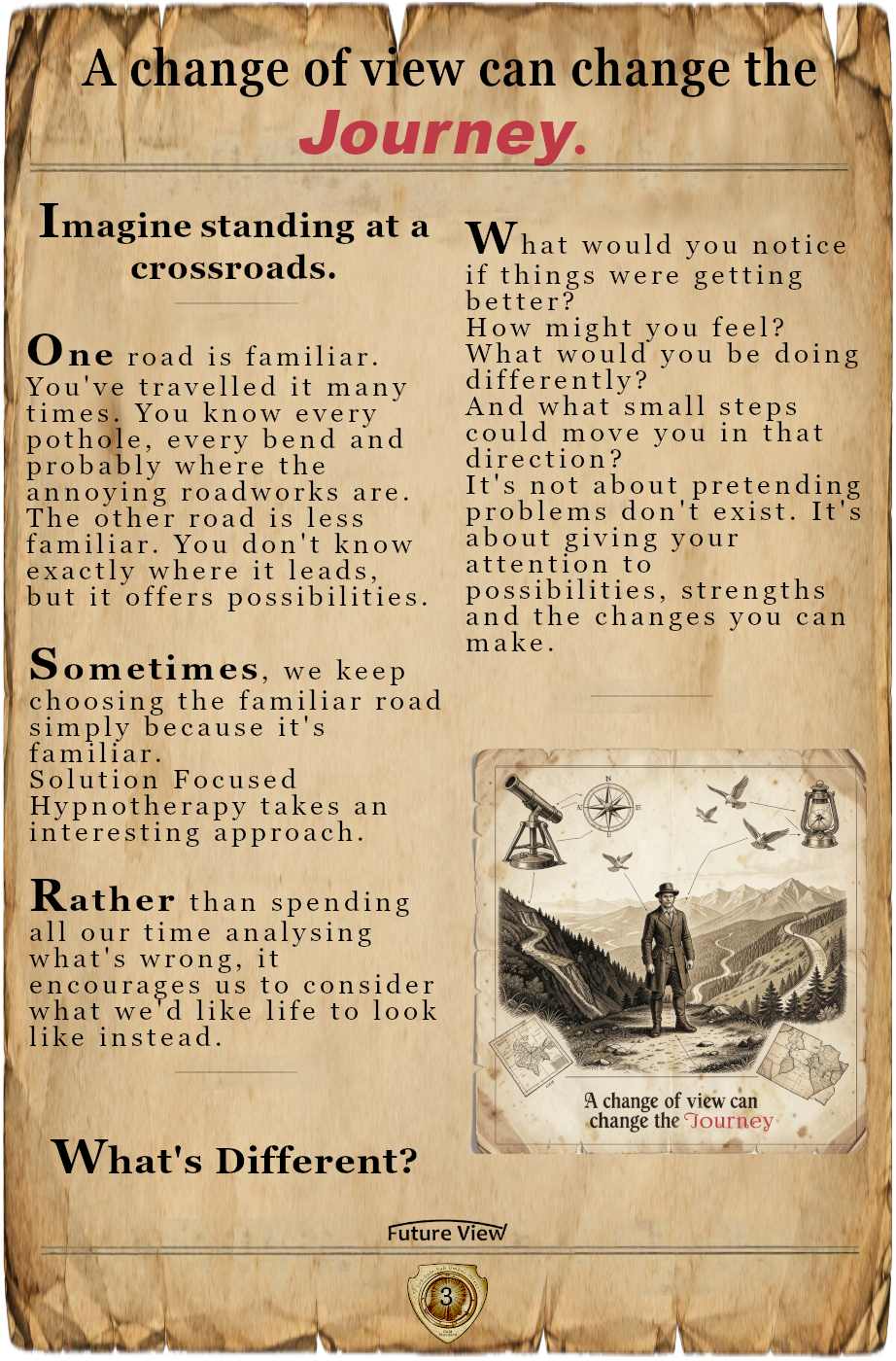
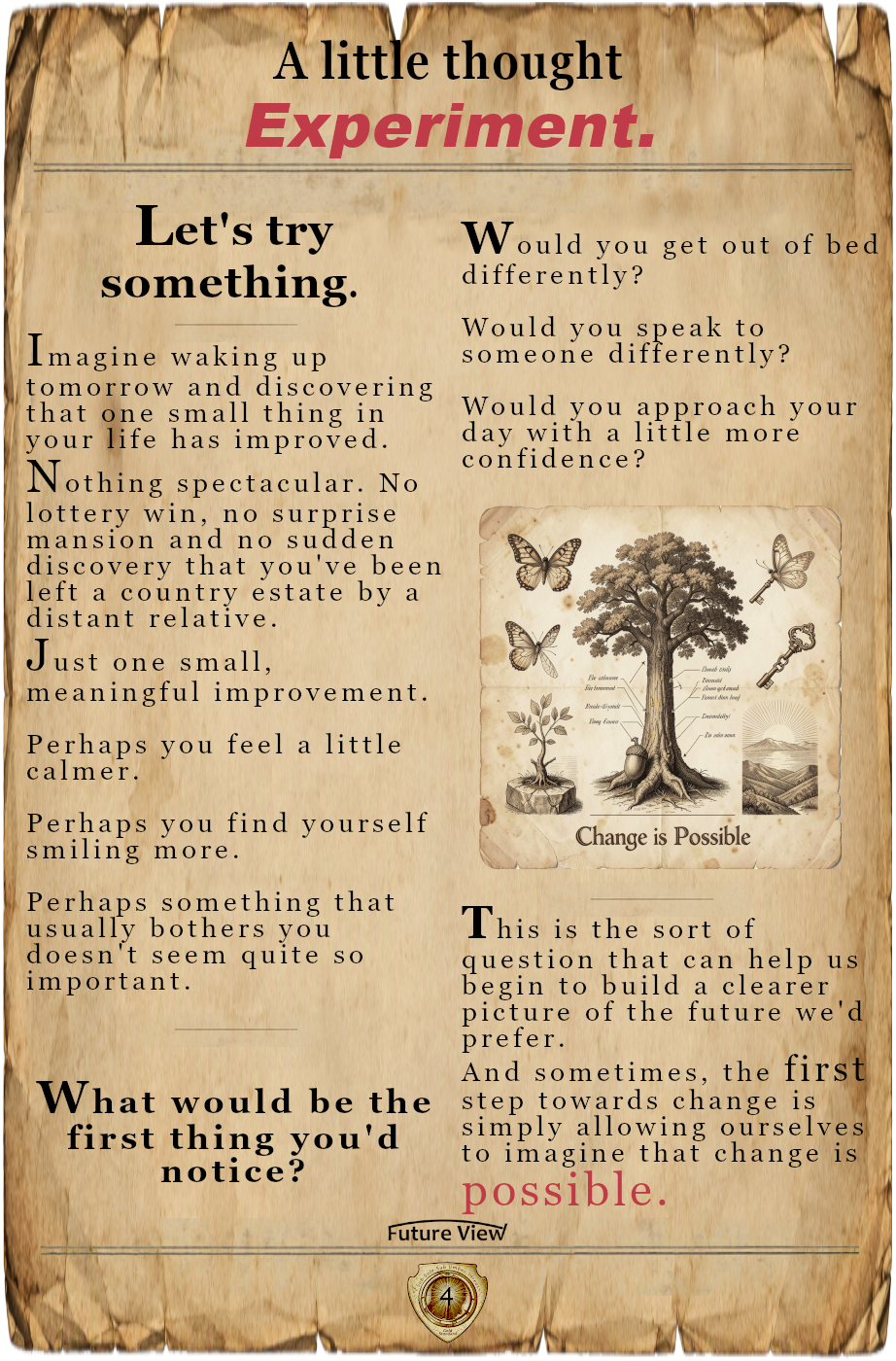

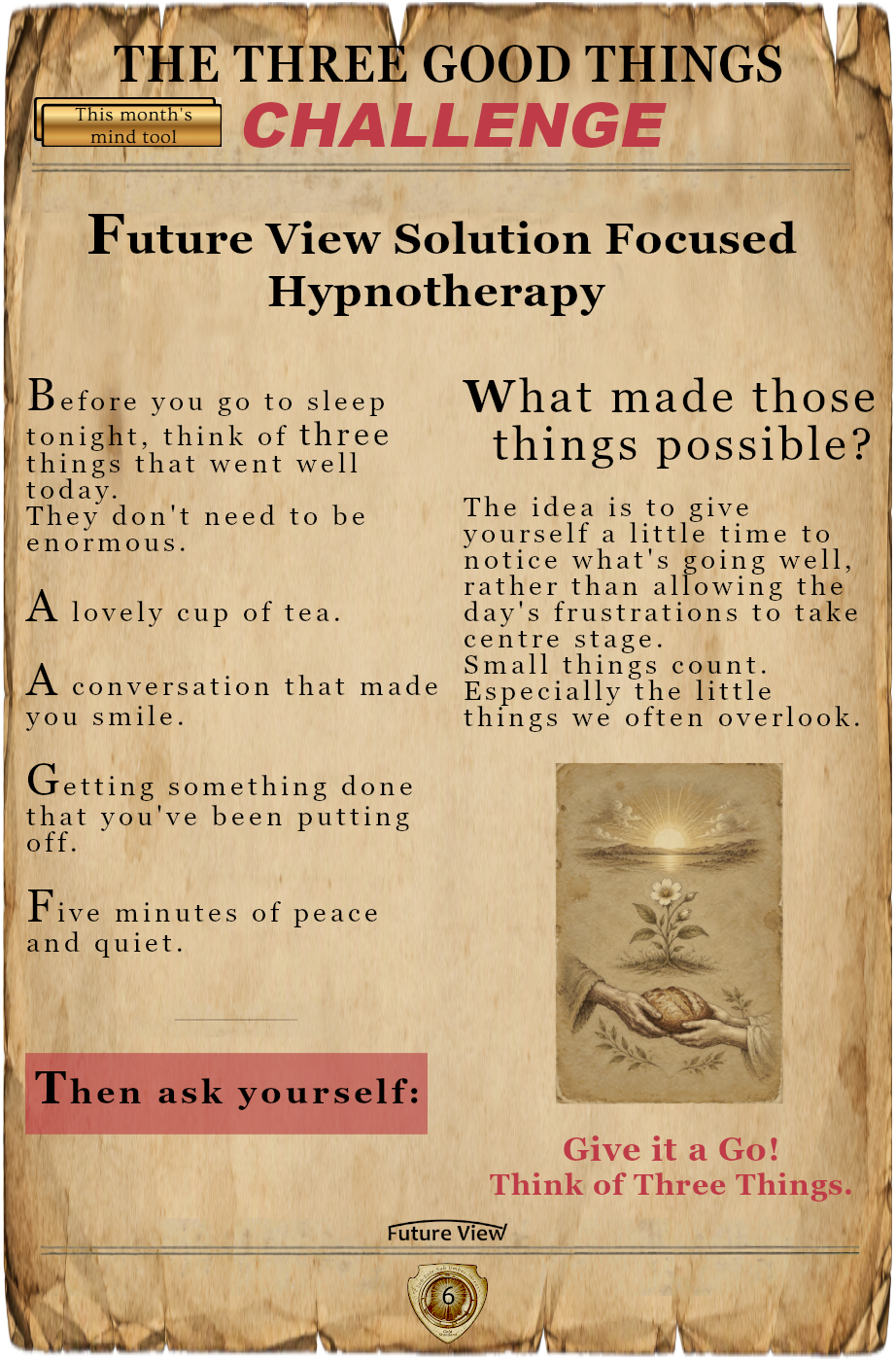
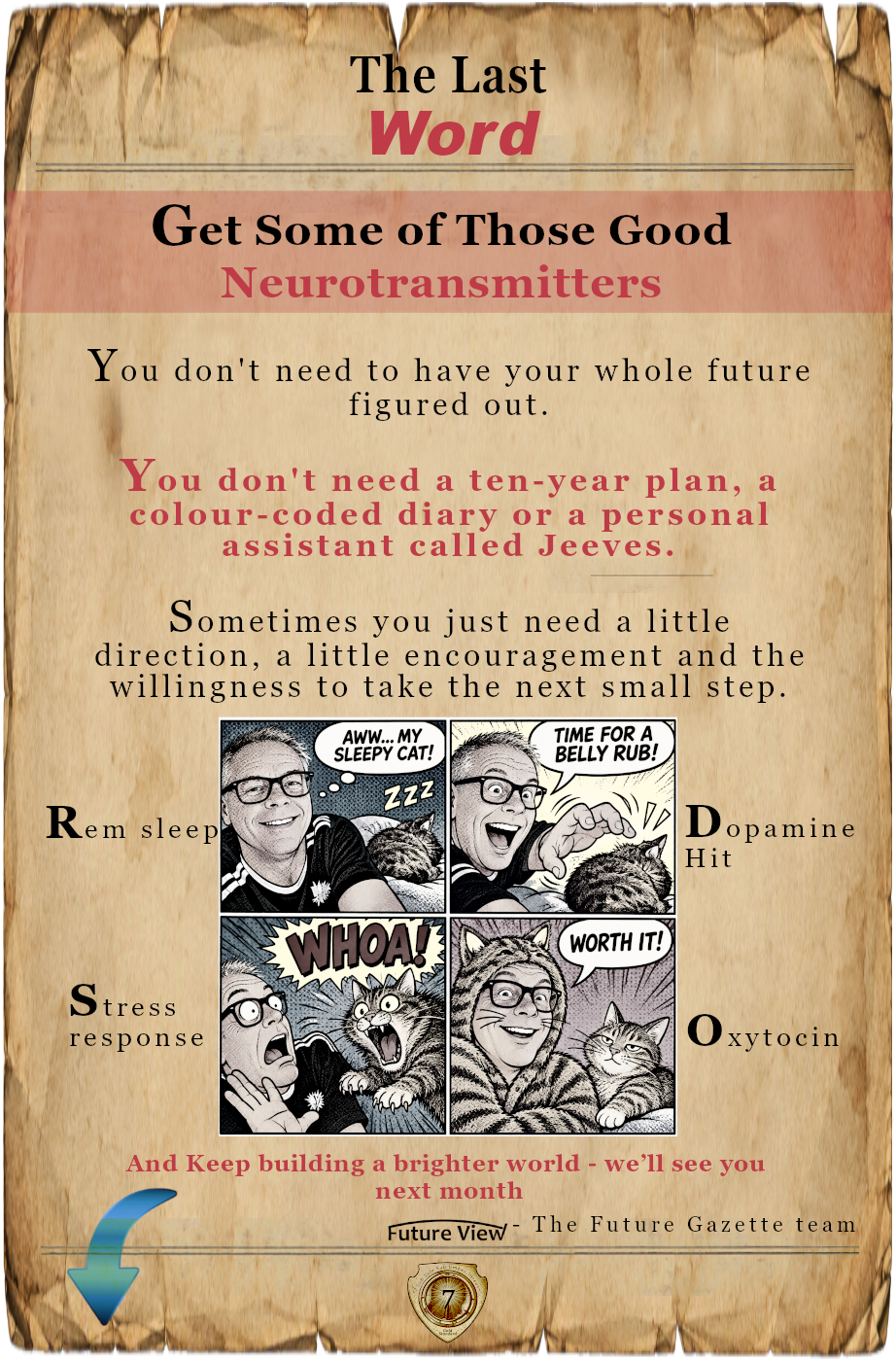

Articles Worth Reading
The medical power of hypnosis (BBC)
By Martha Henriques
Does Hypnotherapy Really Work? 10+ Scientific Findings
by Jeremy Sutton, Ph.D. 22 Jan 2021
If you want to book a session, either in person or on line, then select a date and time below.
I will get back in touch with you, as soon as I can.
• Individual results may vary based on personal circumstances, engagement with the process, and commitment to the therapeutic work.
For all booked sessions I will send you my bank details, so you can arrange a payment 48 hours before a session, as in the Ts&Cs.
After a discovery call and prior to the initial consultation, I will send you a consent form, Ts&Cs and GDPR statement.
Your next chapter could be smoke-free...
...by developing a POSITIVE approach…
A supportive, realistic look at Solution Focused Hypnotherapy (SFH) and quitting smoking/vaping.
Quitting smoking can be extremely challenging. Nicotine dependence, routines and stress can all play a part. Needing more than one attempt is not a failure. With the right support, you can make a plan that fits your life.
Solution Focused Hypnotherapy
combines solution-focused brief therapy, with guided hypnosis. We encourage you to visualise the very best version of yourself. Asking what are your best hopes? Then helping you look for small steps that could make a change. Hypnosis uses focused attention and relaxation; it does not make you unconscious or take away your control. It changes the focus within the brain.

Research by Professor David Spiegel at Stanford, using fMRI scans on the brain, has shown decreased activation in the default mode network and increased activity in the executive and salience networks. Which allows the brain to be more receptive to change.
"It is not a guaranteed cure."
But it's worth a shot...
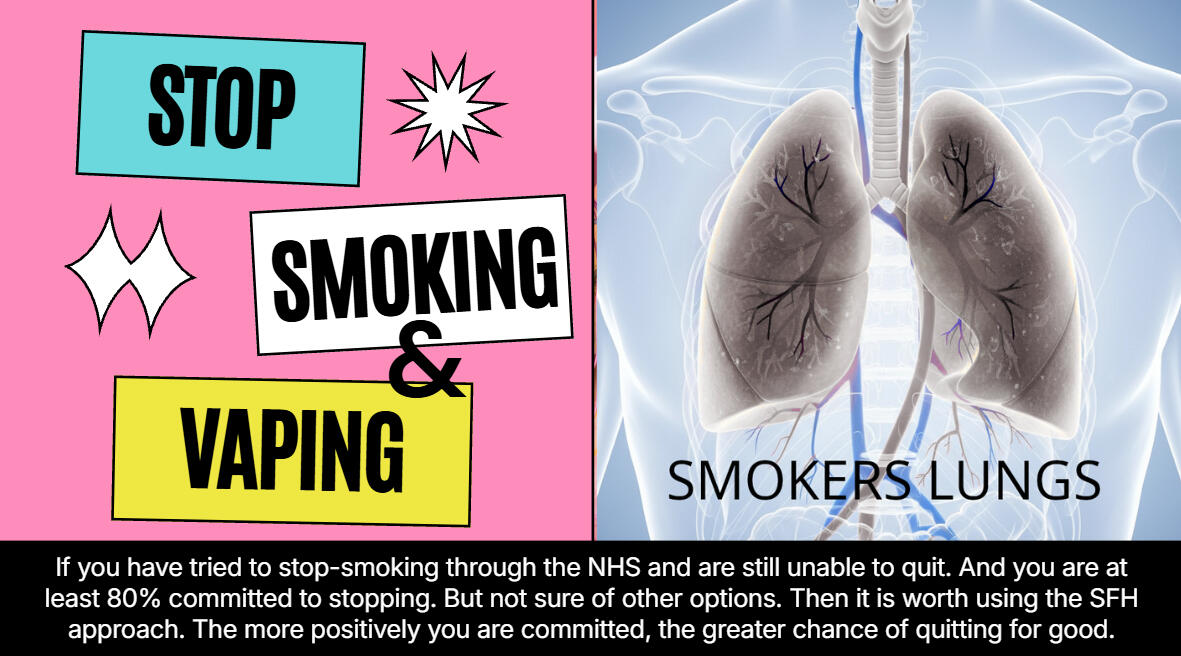
If you have tried to stop-smoking through the NHS and are still unable to quit. And you are at least 80% committed to stopping. But not sure of other options. Then it is worth using the SFH approach. The more positively you are committed, the greater chance of quitting for good.
Triggers.
It may be the morning-cigarette routine. Or link to your first coffee break. Maybe meeting friends for a drink after work or on a night out.
The SFH process could help you to identify what your preferred mornings would look like, drawing on times that have already helped you change a habit, and helping you to discover your different routines throughout the day/night.People often say that smoking helps to manage stress. But could it be that worrying about wanting a smoke, adds to the stress? If we can see that stress is a major contributor in your life, then I would suggest some general stress reduction sessions, to support this – before doing a smoking cessation.
I would never promise that hypnotherapy will make you quit. But that is the same for any quitting process.What does the 2019 Cochrane research say?
A review examined 14 studies involving 1,926 people. The reviewers concluded that the available evidence was not strong enough to show that hypnotherapy helps people quit more successfully than other approaches. This is not a reason to give up on quitting.If this is a first time you have tried to stop smoking, then the UK guidance and NHS services offer established stop-smoking support, including behavioural help and advice about stop-smoking medicines. You can ask a pharmacist, GP or local stop-smoking service what may suit you. Combining support with an appropriate treatment may give you more help than going it alone.
It may be free on the NHS but takes several week of support. SFH smoking cessation is around 2.5 hrs. I reiterate It is not a guaranteed cure. But having a positive mindset will create a strong foundation to help you stop.Get in touch with me for a chat, I would be happy support you on this journey. If you want to explore the NHS route then the details are below.For NHS stop-smoking support, visit NHS Better Health: Quit smoking. In England, the Smokefree National Helpline is 0300 123 1044. If you live elsewhere in the UK, look up your nation’s stop-smoking service.
Sources:
Cochrane review of hypnotherapy for smoking cessation.NICE guideline NG209 Tobacco.NHS stop-smoking services.Professor David Spiegel at Stanford,More research by David Spiegel
Recording to help you...
Sleep
Building Confidence.
What Solution Focused Hypnotherapy actually does when someone says "I just want to feel more confident"

16 November 2026
Ask a group of people what confidence is and you'll get many different answers. A feeling. A personality. Something other people were born with. Something you either have or you don't.The research is less romantic. Confidence, in the psychological sense, is usually described as self-efficacy - your belief in your own capacity to handle a specific situation. Albert Bandura set out the theory in a 1977 paper in Psychological Review, and it has held up remarkably well since: belief in your own capability isn't a fixed trait, it's a judgement that gets updated by experience. Bandura identified four things that shift it.
1. Mastery experiences - actually doing the thing, or something close to it.2. Vicarious experience - watching someone similar to you do it.3. Social persuasion - being told, credibly, that you can.4. Physiological and emotional states - how your body feels while you imagine or attempt it.
Look at that list and you'll notice something. Three of the four can happen in your head. Only the first requires you to be standing in the room, doing the scary thing, with your hands shaking.
This is the crack in the door that Solution Focused Hypnotherapy walks through.
Most people who describe themselves as lacking confidence aren't lacking capability. They can do the presentation, make the call, walk into the room. What they lack is a brain that will let them feel safe doing it.Under stress, attention narrows. The threat-detection system - the amygdala and its friends - gets a disproportionate share of the processing budget, and the prefrontal regions that handle perspective-taking and planning get less. The result is a self-reinforcing loop: you anticipate the situation, you feel the fear, you interpret the fear as evidence you can't cope, you avoid or endure it, and the avoidance confirms the story. Every rehearsal of that loop makes it a little more automatic.Telling someone in that loop to "just be confident" is like telling someone with a fear of dogs to relax because dogs are lovely. The information may be true. It arrives at the wrong address.What changes the loop is not reassurance. It's a different experience, repeated. Which is exactly what a solution focused session is engineered to provide.
What Solution Focused Hypnotherapy is (and where it came from)
Two traditions, joined.
Solution Focused Brief Therapy was developed at the Brief Family Therapy Centre in Milwaukee, founded in 1978 by Steve de Shazer and Insoo Kim Berg. The team's landmark paper, "Brief Therapy: Focused Solution Development," appeared in 1986. Its radical move was to stop asking what was wrong and start asking what was working. Where are the exceptions - the days, or hours, when the problem doesn't show up? What would be different if it were solved? What's the smallest next step?Clinical hypnosis is far older, but in this model it isn't used for stage tricks or regression. It's a relaxed, focused state in which suggestion and imagery land with less internal argument.The UK model that most people mean when they say Solution Focused Hypnotherapy was developed by David Newton, who founded Clifton Practice Hypnotherapy Training (CPHT) in 2002 and the Association for Solution Focused Hypnotherapy (AfSFH) in 2010. It adds a third ingredient: plain-English neuroscience - explaining what stress does to attention, why habits persist, and how the brain rewires.A typical session runs around 50–60 minutes and moves through four stages: what you want instead of the problem; solution focused questions and scaling; a short explanation of the relevant brain mechanics; then relaxation and suggestion aimed at your chosen outcome, usually with a small practical task for the week.
Three mechanisms, and what's happening in each.
1. Attention is redirected from the problem to the evidence
Solution focused work is relentless about exceptions. When did you feel even slightly more confident this week? What were you doing? Who was there? What was different at 2 out of 10 rather than 1?This matters because of how memory works. Confidence is supported by an accessible store of evidence - times you coped. Anxiety keeps that store behind a locked door. Deliberately cataloguing exceptions, week after week, is how you start leaving the door open. It's a form of evidence-gathering, and evidence is what updates a belief.
2. The preferred future gets rehearsed rather than described
The famous miracle question -suppose you woke tomorrow and the problem had quietly gone - asks for specific, sensory detail. What would you notice first? What would other people notice? What would you be doing differently before breakfast?The question is attributed to the Milwaukee team (it evolved collaboratively rather than being invented by one person on one identifiable date), and its function is practical. A vividly imagined future is not the same as a vague wish. It's a script. And scripts can be rehearsed.
3. Hypnosis lets the rehearsal be experienced, not just narrated
This is the part that distinguishes SFH from talking therapy alone. In a relaxed, absorbed state, imagined scenarios are processed with less critical filtering. You're not being told "you'll be fine." You're being guided through the boardroom, the phone call, the party - noticing your breathing slow, your posture open, your voice steady.That maps directly onto Bandura's fourth source of self-efficacy: physiological and emotional state. You are, in a small but real way, practising the feeling of coping.The anxiety evidence is the most quantitatively encouraging part of the hypnotherapy literature. A 2019 meta-analysis by Valentine, Milling, Clark and Moriarty, published in the International Journal of Clinical and Experimental Hypnosis, pooled 15 studies and 17 trials and found a mean weighted effect size of g = 0.79 at end of treatment, rising to g = 0.99 at the longest follow-up. Those are substantial numbers - roughly in the range you'd expect from established psychological treatments, though drawn from a small and heterogeneous set of trials.
What actually builds confidence, session by session.
Strip away the theory and this is the shape of it:
Week one, you define the target. Not "be more confident" - that's a mood, not a goal. Instead: "put my hand up in the Monday meeting without my heart hammering." Specific beats sweeping, always.You scale it. Zero to ten, where are you now? Most people say two or three. The work isn't to jump to ten; it's to find out what a four would look like, because a four is believable and a ten is fantasy.You collect exceptions. The two-out-of-ten days contain the raw material. What was different? Whatever it was, it's repeatable.You rehearse in trance. The situation, in detail, going well. Repeatedly. With your body calm enough to notice that it can be.You get one small task. Say hello to one person. Send the email you've been drafting for a fortnight. Something small enough that you'll actually do it - because the doing is what moves the number.You review and adjust. Confidence accumulates in increments that feel almost embarrassing at the time. Six weeks later the increment is visible.Many practitioners suggest doing the relaxation or self-hypnosis practice in the last half hour before sleep. The logic is reasonable - sleep is when memory consolidates - but treat it as sound practice rather than a proven protocol.
Hypnotherapy also isn't regulated by statute in the UK, which means anyone can use the title; checking for registration with a recognised body such as the Complementary and Natural Healthcare Council (CNHC) or the AfSFH is a sensible minimum

References
Bandura, A. (1977). Self-efficacy: Toward a unifying theory of behavioral change. Psychological Review, 84(2), 191–215.de Shazer, S., Berg, I. K., Lipchik, E., Nunnally, E., Molnar, A., Gingerich, W., & Weiner-Davis, M. (1986). Brief therapy: Focused solution development. Family Process, 25(2), 207–221.Franklin, C., et al. (2023). Solution-focused brief therapy in community-based services: A meta-analysis of randomized controlled studies. Research on Social Work Practice.Grégoire, C., Faymonville, M.-E., Vanhaudenhuyse, A., Jerusalem, G., Willems, S., & Bragard, I. (2020). Randomized controlled trial of a group intervention combining self-hypnosis and self-care. Quality of Life Research.Kim, J. S. (2008). Examining the effectiveness of solution-focused brief therapy: A meta-analysis using random effects modeling. Research on Social Work Practice, 18, 107–116.NICE (2008, updated). Irritable bowel syndrome in adults: diagnosis and management. CG61.Valentine, K. E., Milling, L. S., Clark, L. J., & Moriarty, C. L. (2019). The efficacy of hypnosis as a treatment for anxiety: A meta-analysis. International Journal of Clinical and Experimental Hypnosis, 67(3), 336–363.Zhang, A., Franklin, C., Currin-McCulloch, J., Park, S., & Kim, J. (2017). The effectiveness of strength-based, solution-focused brief therapy in medical settings: A systematic review and meta-analysis of randomized controlled trials. Journal of Behavioral Medicine.
Are You Looking To Lose Weight?
Page Under Construction
Do You Want To Improve Your Sleep?
Page Under Construction
Struggling With Exam/Best Man Nerves?
Page Under Construction
When You Are Filled With Grief, Life feels like It Is Falling Apart.
Page Under Construction
Subscribe To The Future Gazette Here